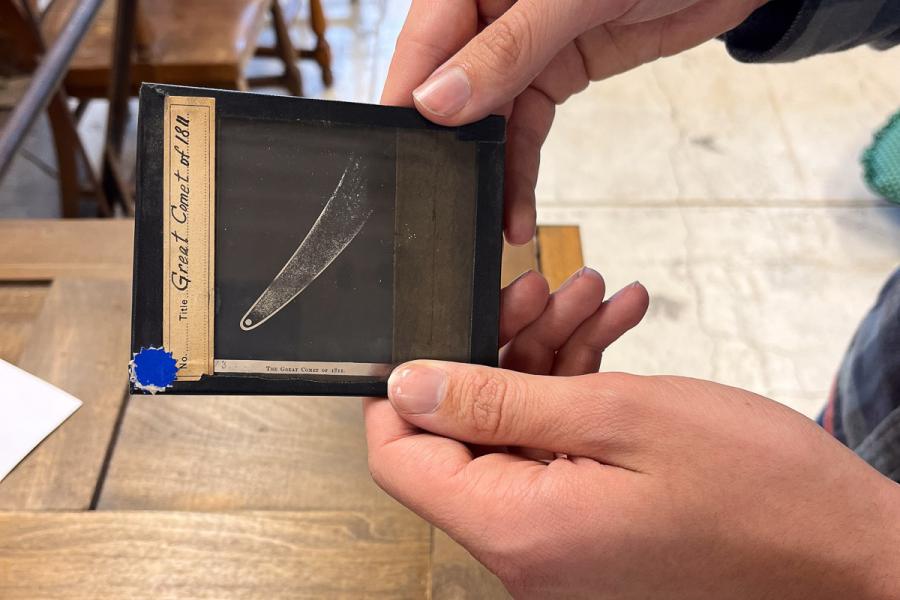
New astronomy exhibit showcases early glass slides
A new exhibit at Fuertes Observatory at Cornell University allows visitors to view 800 glass lantern slides uncovered and catalogued by the Cornell Astronomical Society.
 Department Homepage

A new exhibit at Fuertes Observatory at Cornell University allows visitors to view 800 glass lantern slides uncovered and catalogued by the Cornell Astronomical Society.
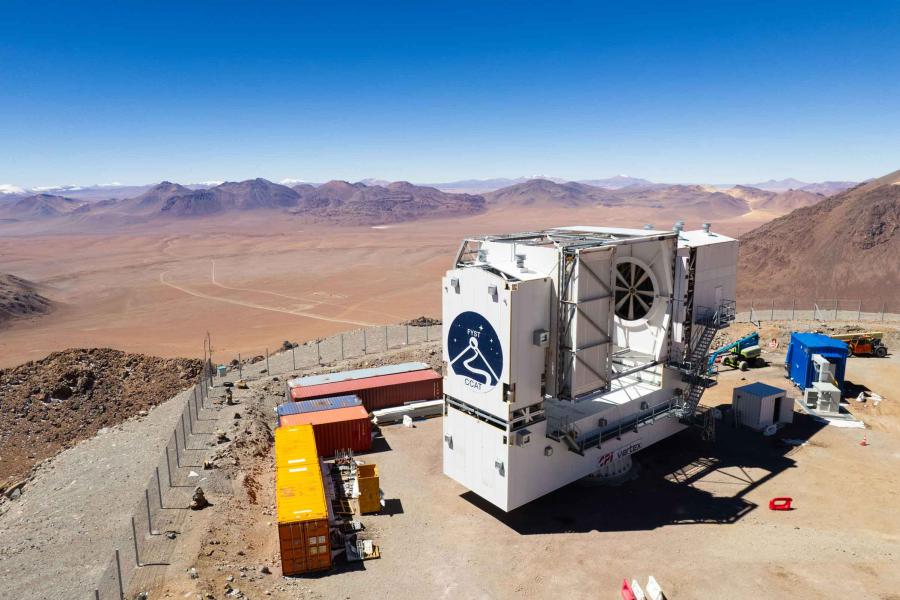
Cornell University celebrates April 9 inauguration of Fred Young Submillimeter Telescope in Chile. President Michael Kotlikoff marked milestone enabling wide-field submillimeter surveys to study dark energy, early universe conditions, and galaxy evolution.

Cornell admits the Class of 2030 emphasizing real-world impact, enrolling 5,776 students from 102 countries.
At Cornell University, the diverse cohort reflects the land-grant mission and applied learning goals across multiple colleges.
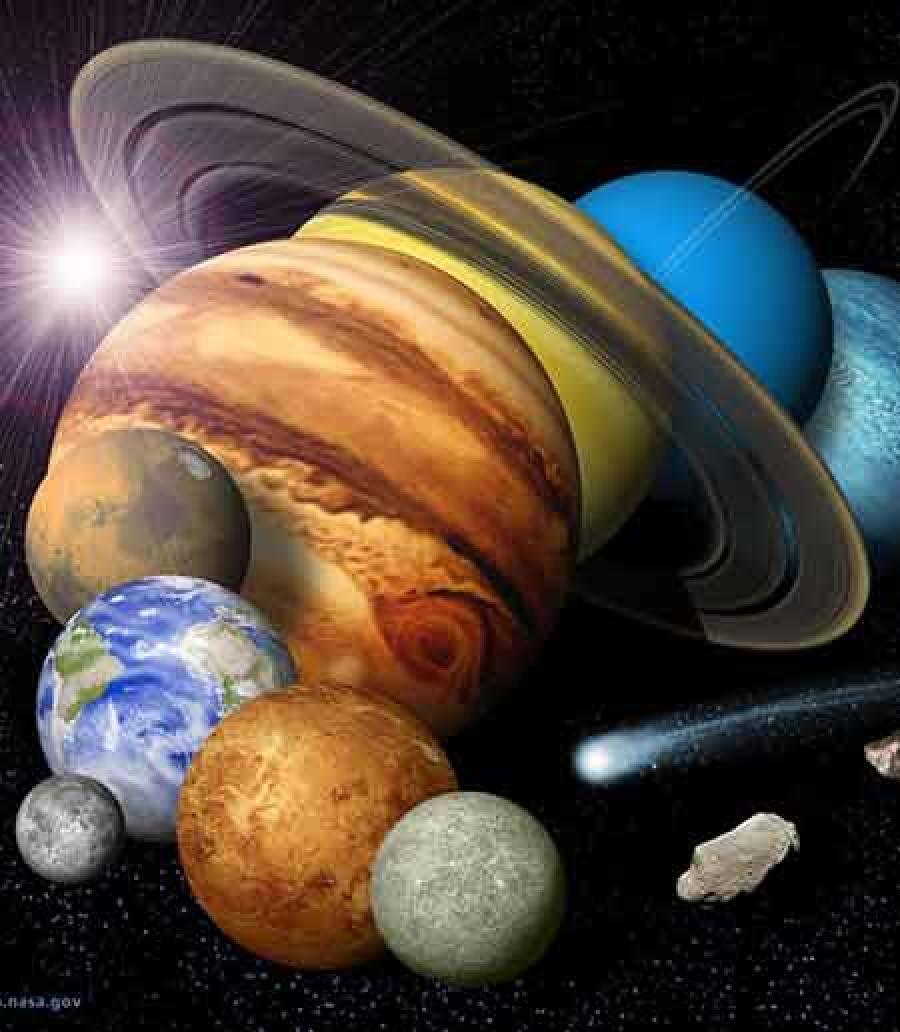
New Cornell research identifies 45 potentially habitable rocky exoplanets using Gaia data and NASA archives, creating a catalog to guide life-search efforts. Authors are an undergraduate, two recent alumni and Lisa Kaltenegger, professor of astronomy and director of the Carl Sagan Institute in the College of Arts and Sciences.

As the film "Project Hail Mary" hits theaters, Cornell College of Arts and Sciences astrophysicist Lisa Kaltenegger, director of the Carl Sagan Institute, explains how real exoplanet research, habitable zones, and nearby star systems inform the film’s search for extraterrestrial life.
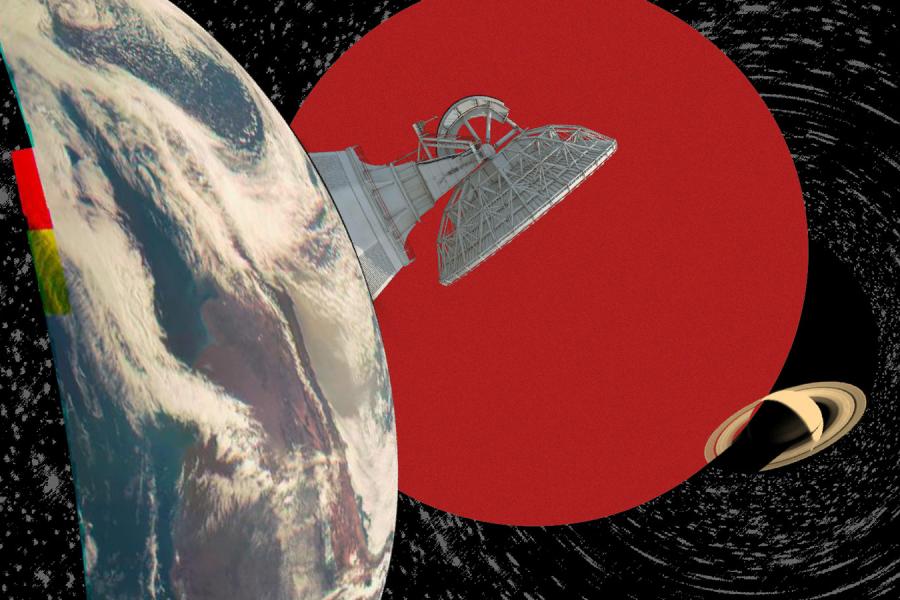
Since the early days of modern cosmic exploration, Cornell scientists have led the way, from guiding rovers through the red dust of Mars to searching for other life in the universe; and from modeling exotic stars to detecting the faint ripples of gravitational waves.
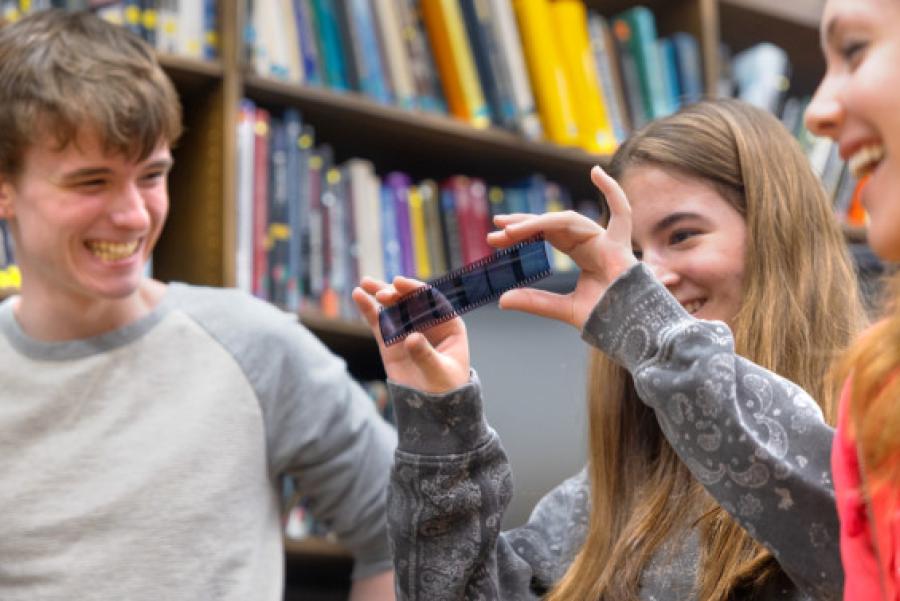
Cornell’s Spacecraft Planetary Image Facility (SPIF), which manages print and online images taken by NASA missions, supports astronomy research and conducts dozens of outreach events every year.

Robert John Sullivan, Jr., one of the world’s foremost authorities on aeolian processes -- how wind can carve and change a landscape -- died Feb. 15 in Ithaca.
Together the Department of Astronomy and Cornell Center for Astrophysics and Planetary Science represent one of the world’s leading institutes for space science with over 110 active researchers. Research emphases include cosmology, solar system exploration, exoplanet science, and fundamental astrophysics. Graduate students, early career researchers and undergraduates, are actively engaged in current NASA missions, NSF consortia, and CCAT-Prime/FYST. The department and center also run an extensive and robust outreach program to the broader community.
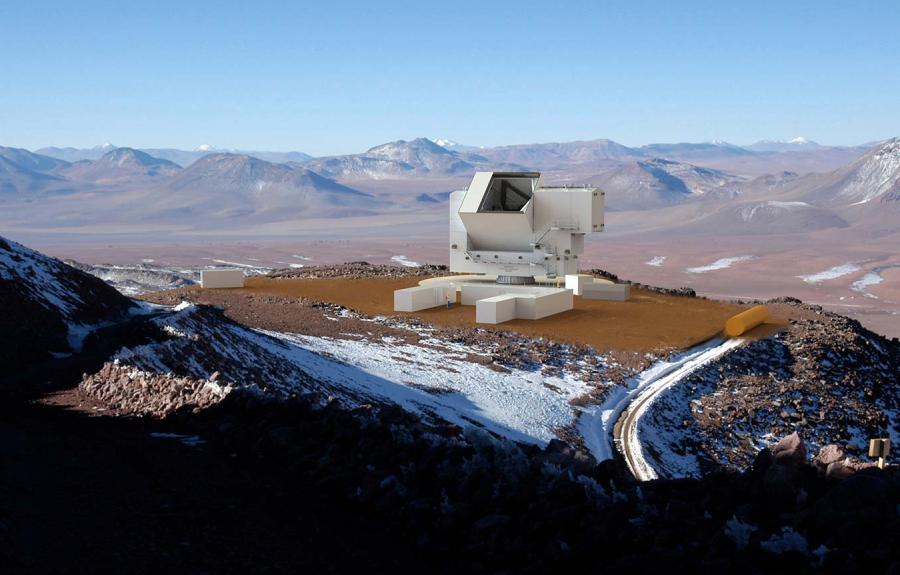
Since the early days of modern cosmic exploration, Cornell scientists have led the way, from guiding rovers through the red dust of Mars to searching for other life in the universe; and from modeling exotic stars to detecting the faint ripples of gravitational waves.
They’ve also established important centers of research, with the Cornell-led Fred Young Submillimeter Telescope (FYST) in Chile poised to become the next innovator of cosmic discovery.
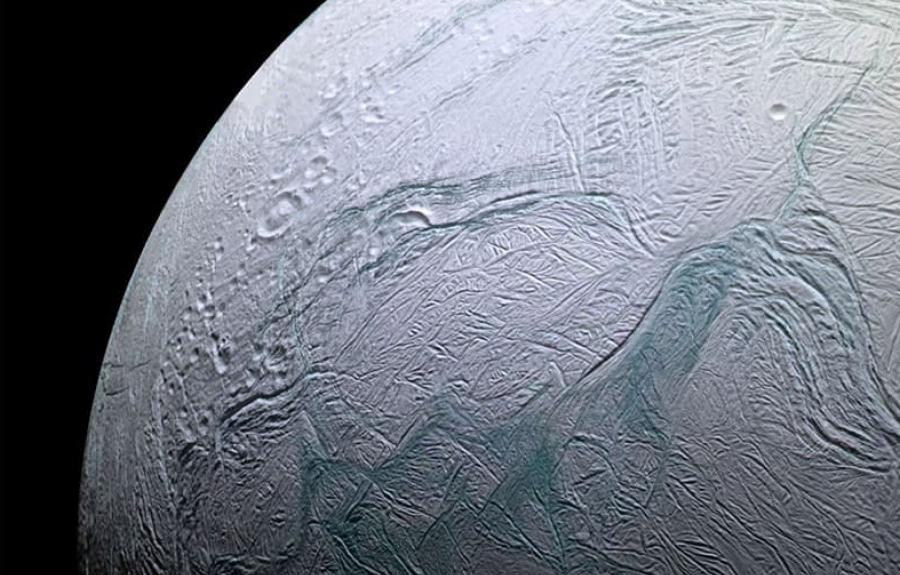
The Department of Astronomy is a leading center of astrophysics and planetary science research.
Visit CCAPS, the Cornell Center for Astrophysics and Planetary Science
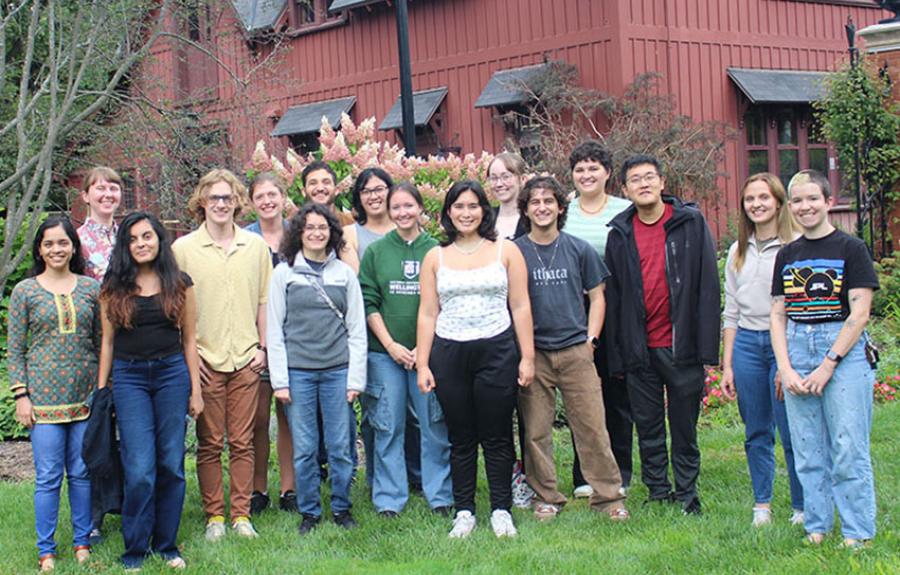
The Astronomy Major at Cornell University is designed to be flexible so that it can be customized to the needs of each student.
Learn about the undergraduate program
Astronomy offers a wide variety of world-class research opportunities in astronomy, astrophysics and space science, with strong multidisciplinary connections, and a friendly and supportive atmosphere.
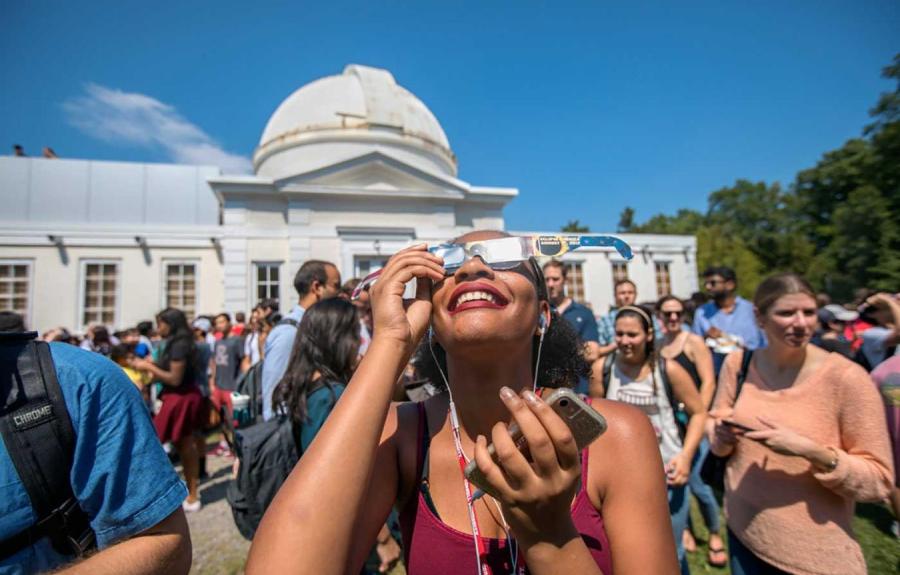
In the spirit of the renowned Cornell Professor Carl Sagan, the Department of Astronomy reaches beyond campus in numerous ways. The Spacecraft Planetary Image Facility (SPIF) is a repository of spacecraft data, a facilitator of research, and a hub for PreK-12 education and public outreach activities. Ask an Astronomer has been answering questions from the curious since 1997. The Cornell Astronomical Society conducts viewing nights at the Fuertes Observatory and offers educational programing to the public.