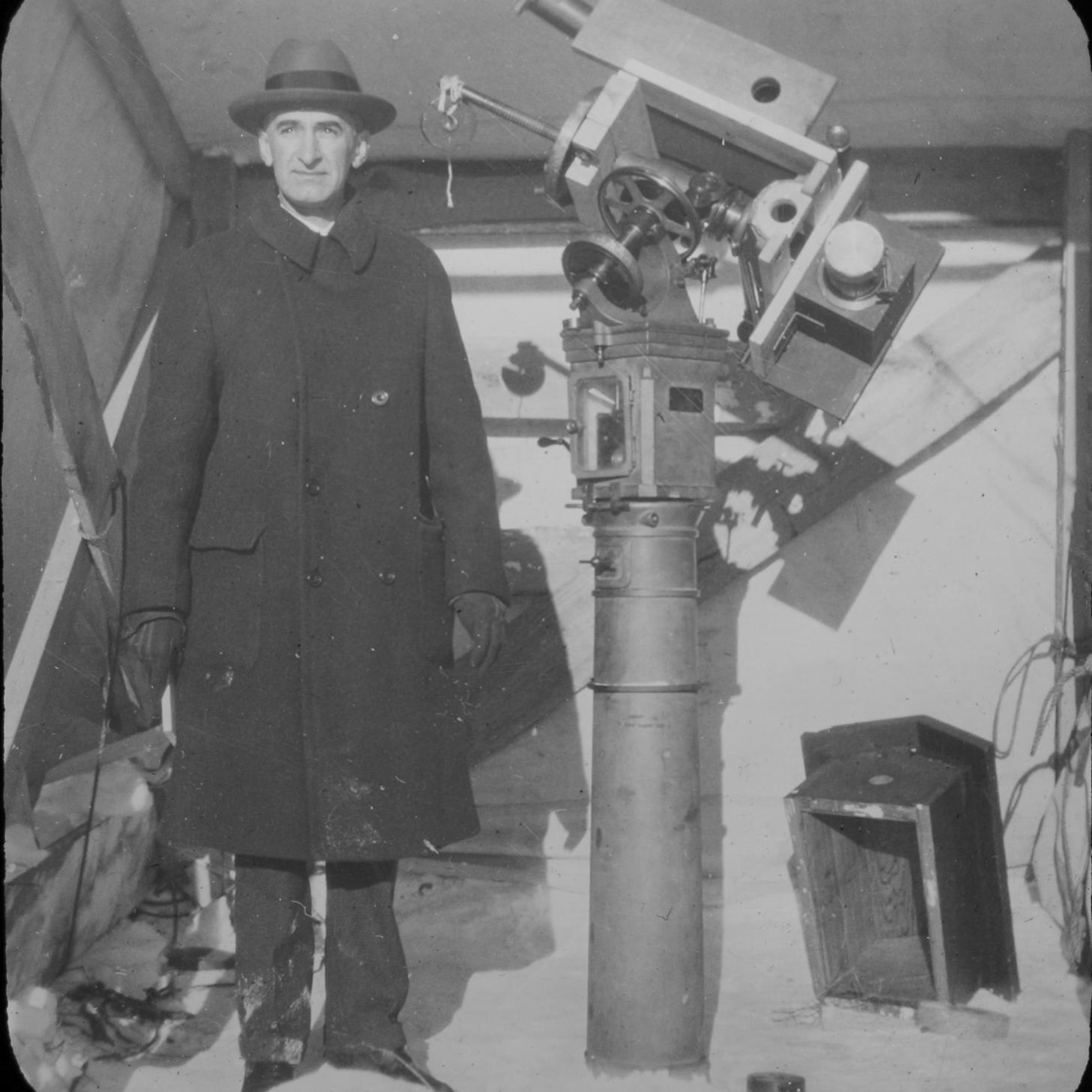
New astronomy exhibit showcases early glass slides
A new exhibit at Fuertes Observatory at Cornell University allows visitors to view 800 glass lantern slides uncovered and catalogued by the Cornell Astronomical Society.
 Department Homepage
A new exhibit at Fuertes Observatory at Cornell University allows visitors to view 800 glass lantern slides uncovered and catalogued by the Cornell Astronomical Society.
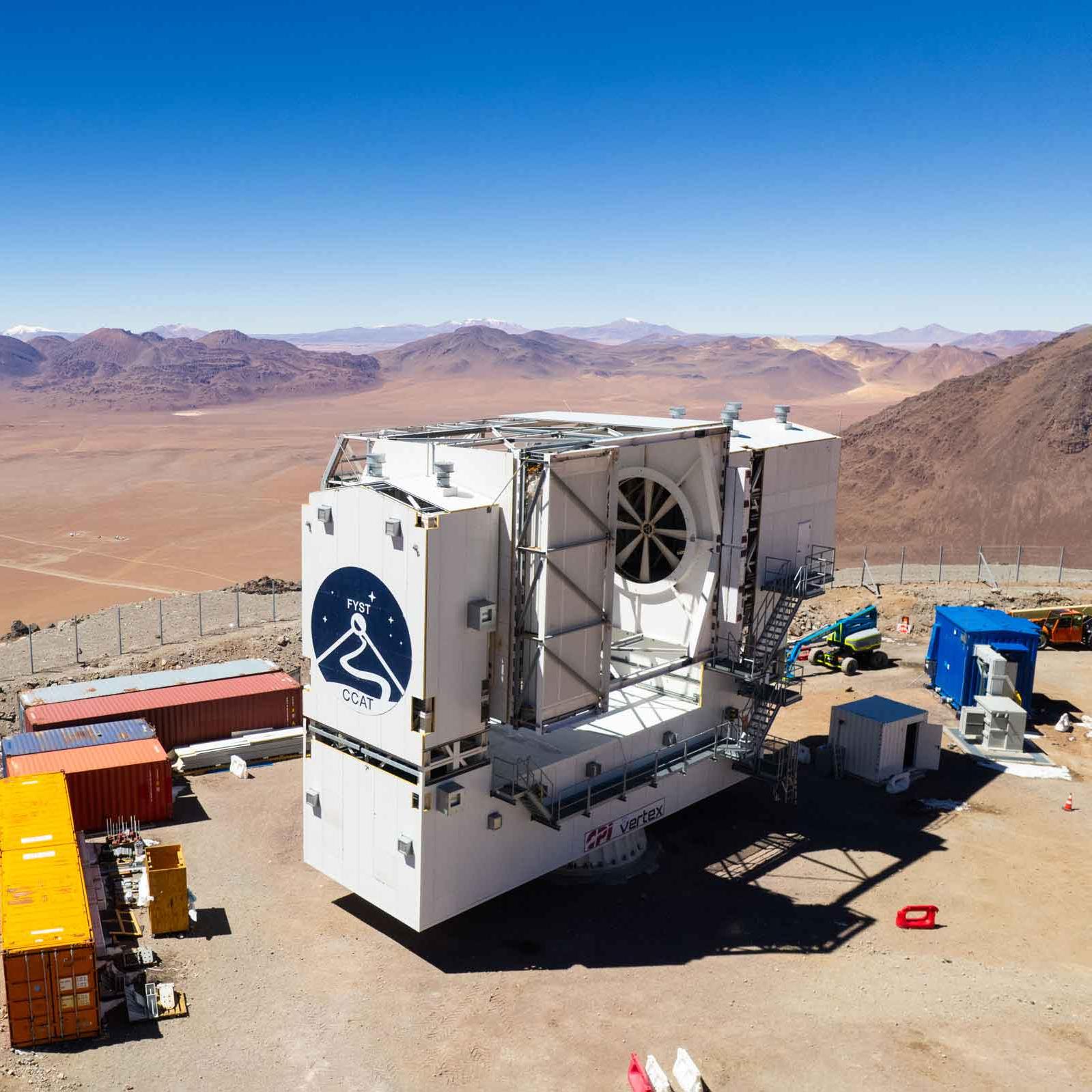

Cornell University celebrates April 9 inauguration of Fred Young Submillimeter Telescope in Chile. President Michael Kotlikoff marked milestone enabling wide-field submillimeter surveys to study dark energy, early universe conditions, and galaxy evolution.
Cornell admits the Class of 2030 emphasizing real-world impact, enrolling 5,776 students from 102 countries. At Cornell University, the diverse cohort reflects the land-grant mission and applied learning goals across multiple colleges.
New Cornell research identifies 45 potentially habitable rocky exoplanets using Gaia data and NASA archives, creating a catalog to guide life-search efforts. Authors are an undergraduate, two recent alumni and Lisa Kaltenegger, professor of astronomy and director of the Carl Sagan Institute in the College of Arts and Sciences.
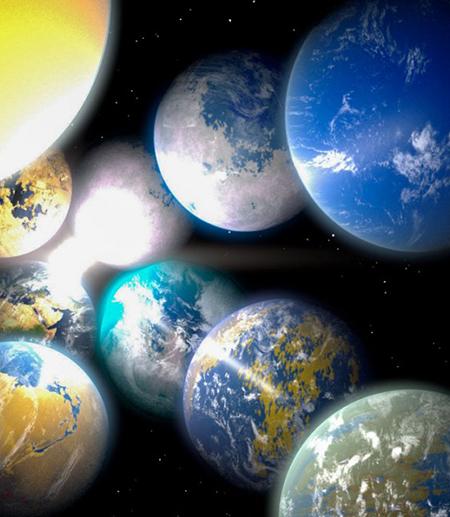
As the film "Project Hail Mary" hits theaters, Cornell College of Arts and Sciences astrophysicist Lisa Kaltenegger, director of the Carl Sagan Institute, explains how real exoplanet research, habitable zones, and nearby star systems inform the film’s search for extraterrestrial life.
Since the early days of modern cosmic exploration, Cornell scientists have led the way, from guiding rovers through the red dust of Mars to searching for other life in the universe; and from modeling exotic stars to detecting the faint ripples of gravitational waves.
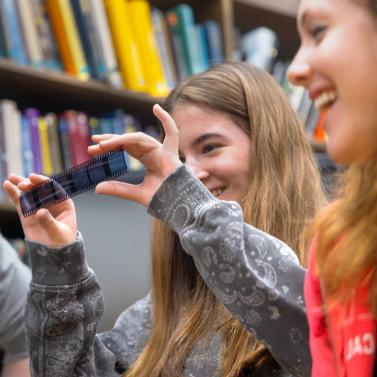
Cornell’s Spacecraft Planetary Image Facility (SPIF), which manages print and online images taken by NASA missions, supports astronomy research and conducts dozens of outreach events every year.
Robert John Sullivan, Jr., one of the world’s foremost authorities on aeolian processes -- how wind can carve and change a landscape -- died Feb. 15 in Ithaca.
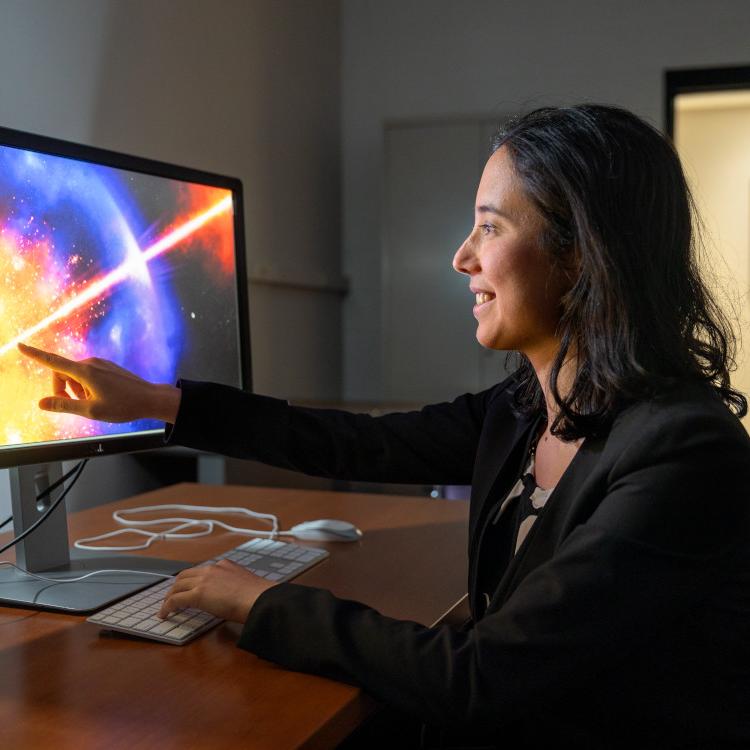
Ho is one of 24 early career scholars to receive $120,000 for proposals incorporating research and science education.
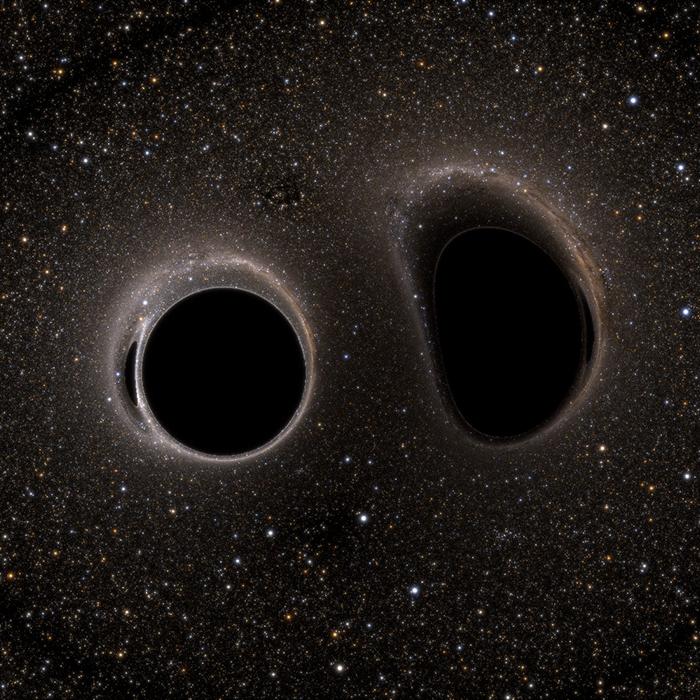
When two black holes merge, the collision rings like a bell, emitting specific tones characterized by two numbers.
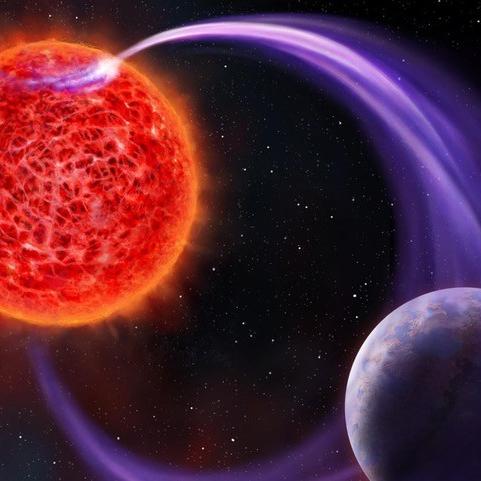
Thanks to this innovation, scientists have discovered new radio bursts originating from dwarf stars and possibly from exoplanets.
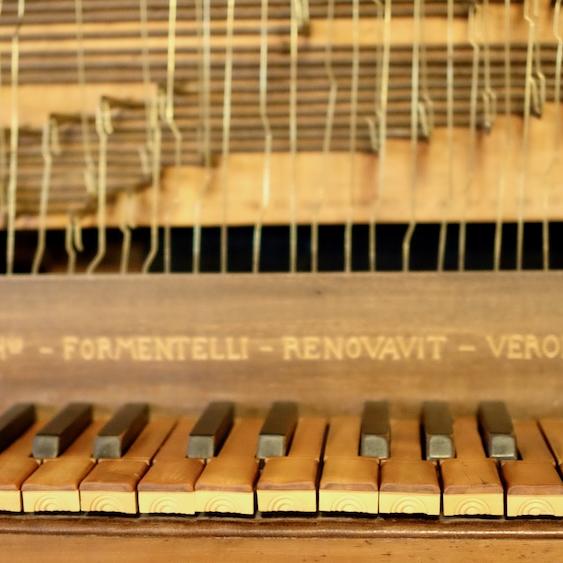
The next time you visit Ithaca, check out exhibits on Chimes history, astronomical instruments, historical keyboards and so much more
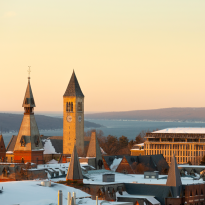
In 2026, the from the Gordon and Betty Moore Foundation will begin funding 10 two-year postdoctoral appointments including three in astronomy, chemistry and physics in the College of Arts and Sciences.
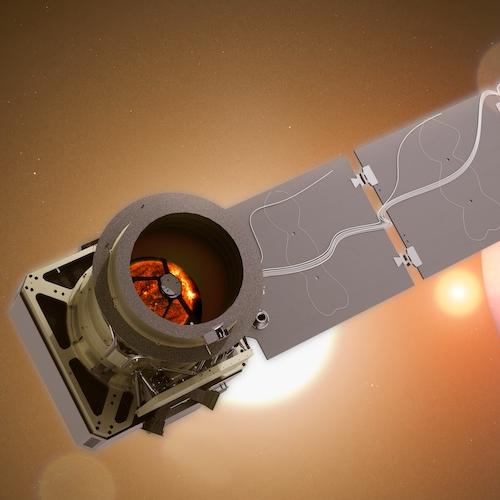
Tasked with studying exoplanet systems around small stars, the refrigerator-sized satellite is the first in NASA’s Astrophysics Pioneers program – small-scale missions designed to train early-career scientists, including Trevor Foote, Ph.D. ’24, a former member of the research group led by faculty member Nikole Lewis.
With the 2026 Newton Lacy Pierce Prize, the American Astronomical Society recognizes Anna Y. Q. Ho’s pioneering investigations of extreme explosions powered by stellar death.
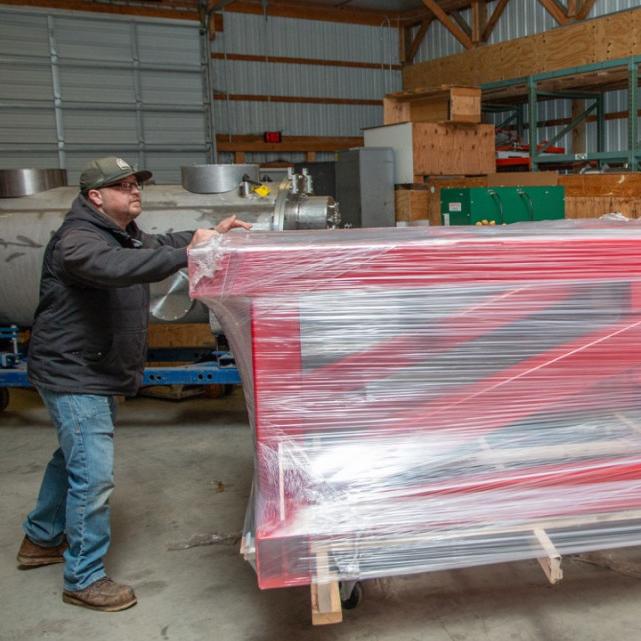
Behind a world-leading telescope bound for Chile is a team of engineers, machinists, electronics specialists and riggers at Cornell. Meet the specialized staff whose expertise is helping push cosmology to new frontiers.
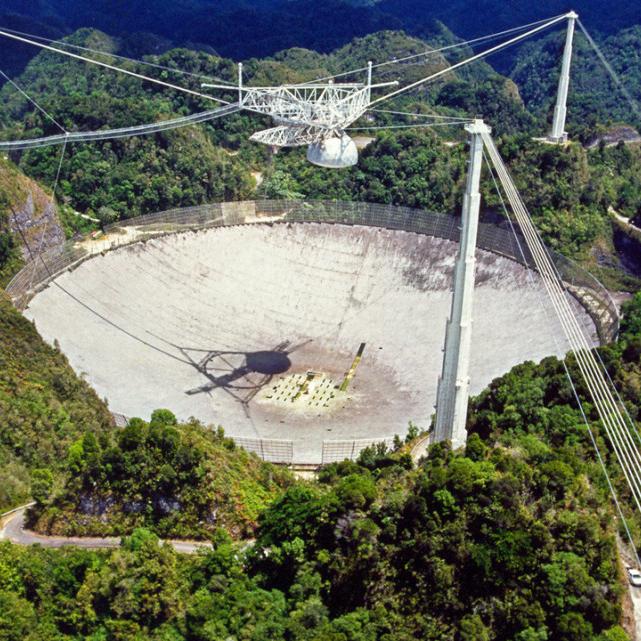
In a new book, Donald Campbell, Ph.D. ’71, professor emeritus of astronomy, recounts the history of Arecibo from construction to its last days under Cornell’s management in 2011.
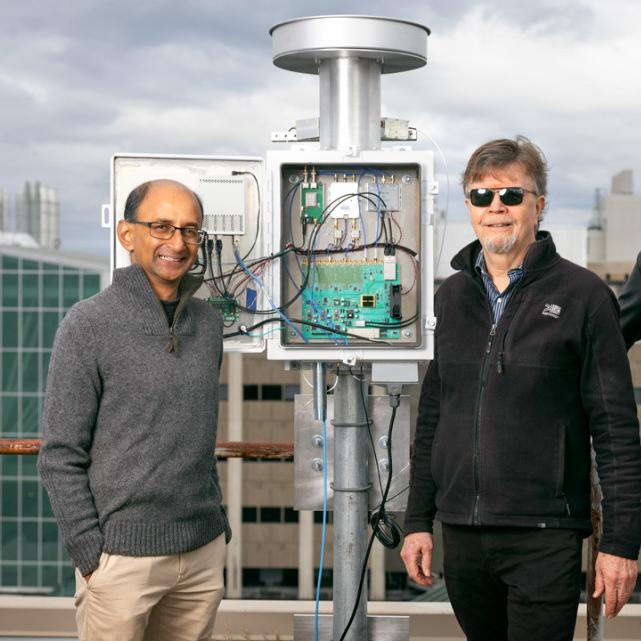
One of the world's smallest telescopes, it is part of a series of eight terminals installed around the globe.
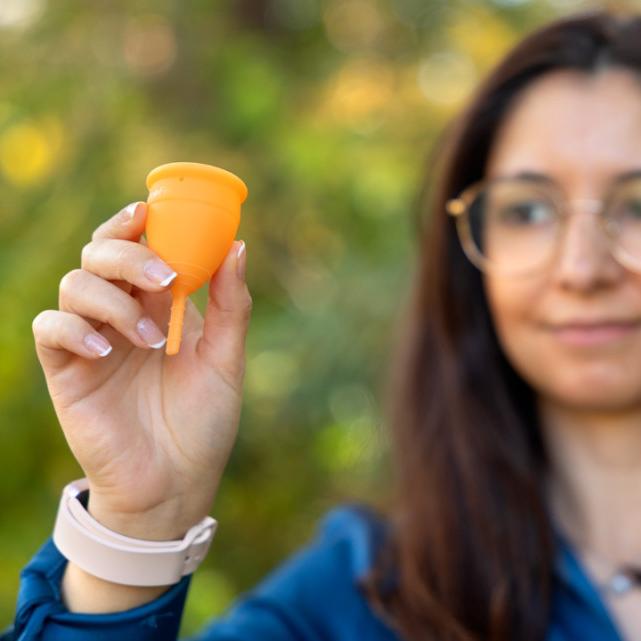
To equip astronauts with health choices for future missions, a Cornell postdoctoral fellow is leading research with AstroCup, a group that recently tested two menstrual cups in spaceflight as payload on an uncrewed rocket flight.
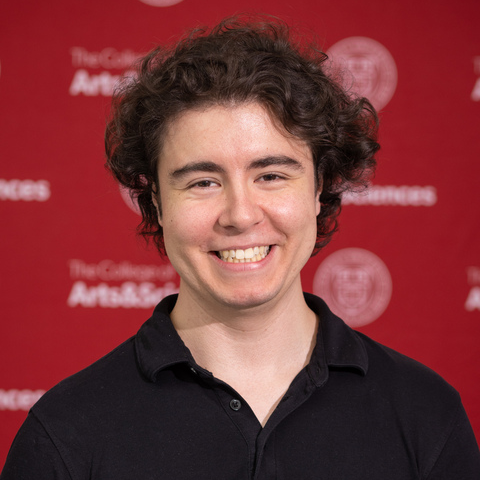
"Nexus Scholars was the first time where the only thing I had to worry about was research."
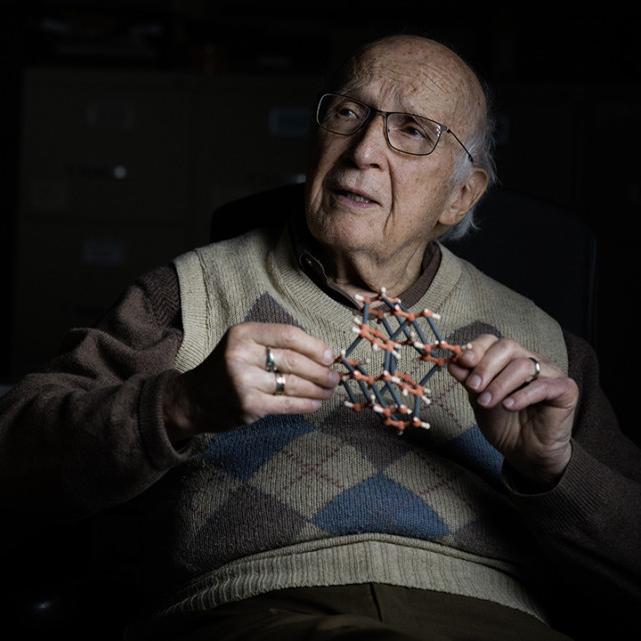
The portraits are part of a series by Christopher Michel, the National Academies of Sciences, Engineering and Medicine’s inaugural artist-in-residence.
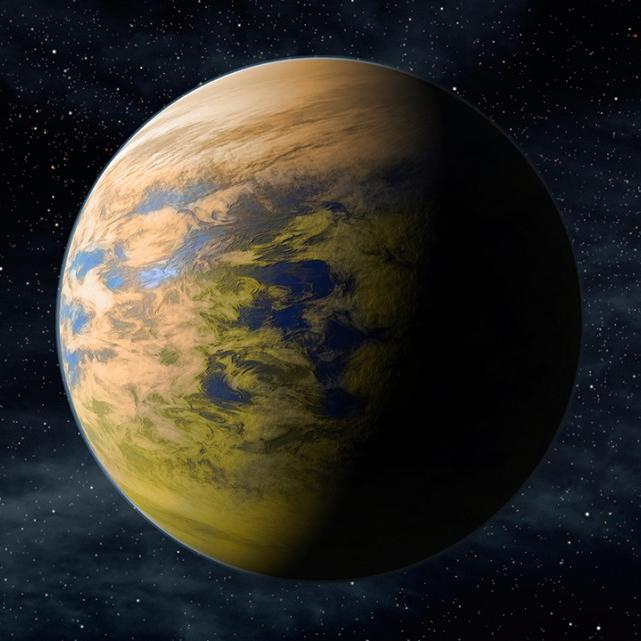
Cornell researchers have created the first reflectance spectra – a color-coded key – of microorganisms that live in the clouds floating above Earth’s surface.
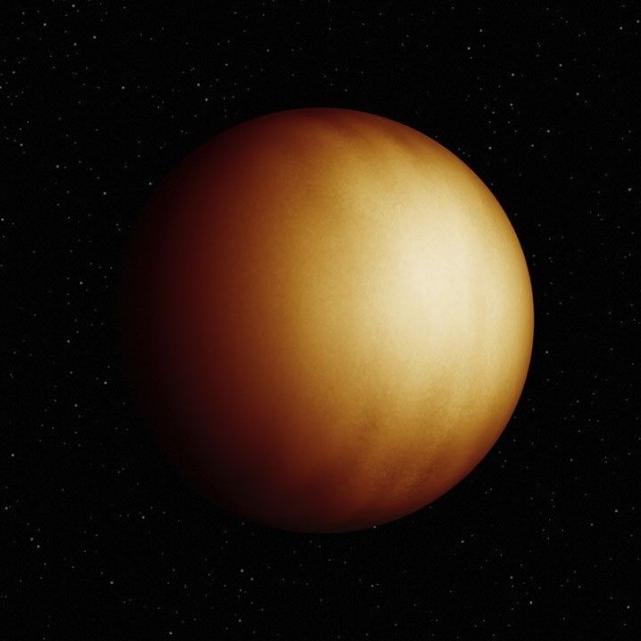
Astronomers have generated the first three-dimensional map of a planet orbiting another star, revealing an atmosphere with distinct temperature zones – one so scorching that it breaks down water vapor, a team co-led by a Cornell expert reports in new research.
These simulations, developed with significant input from Cornell researchers using code written at Cornell, help scientists analyze gravitational waves observed by the LIGO, Virgo and KAGRA detectors located in the U.S., Italy and Japan.
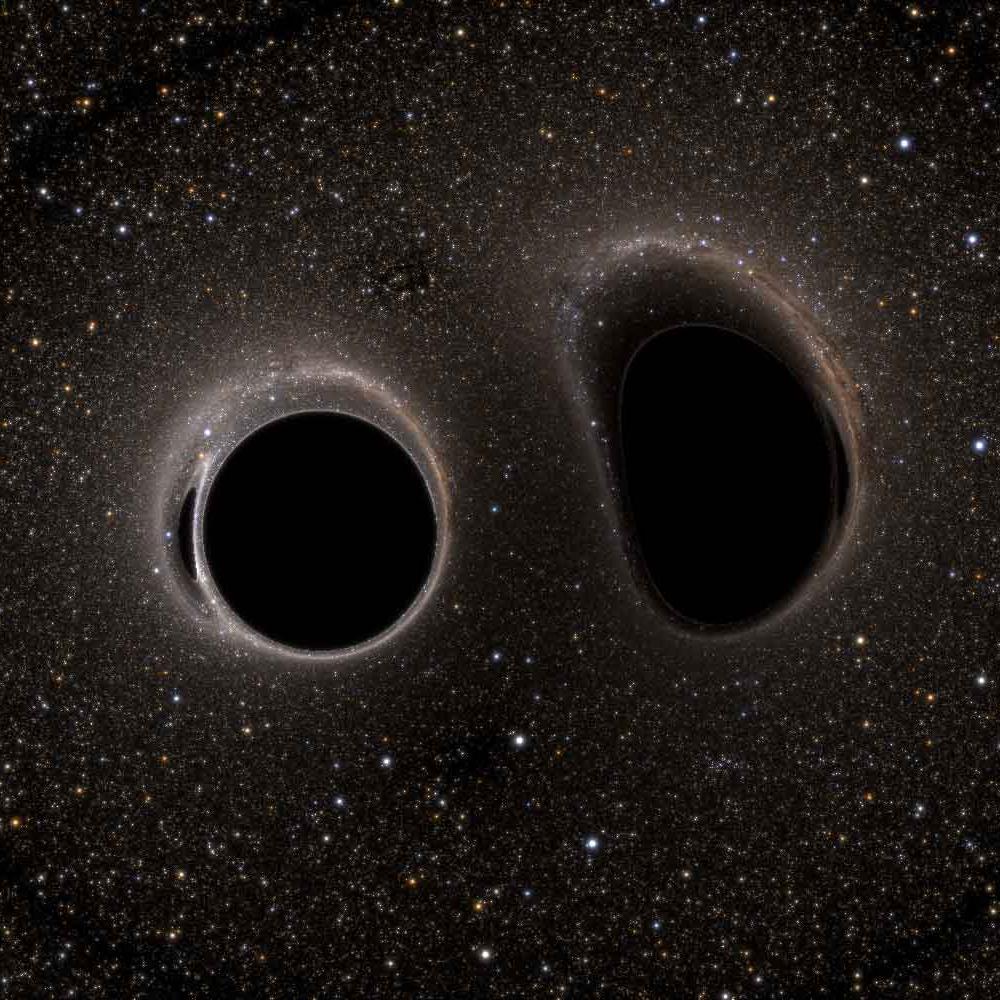
The LIGO-VIRGO-KAGRA team has announced a black hole merger similar to its first detection; a decade’s worth of technological advances allow unprecedented tests of General Relativity to be performed.
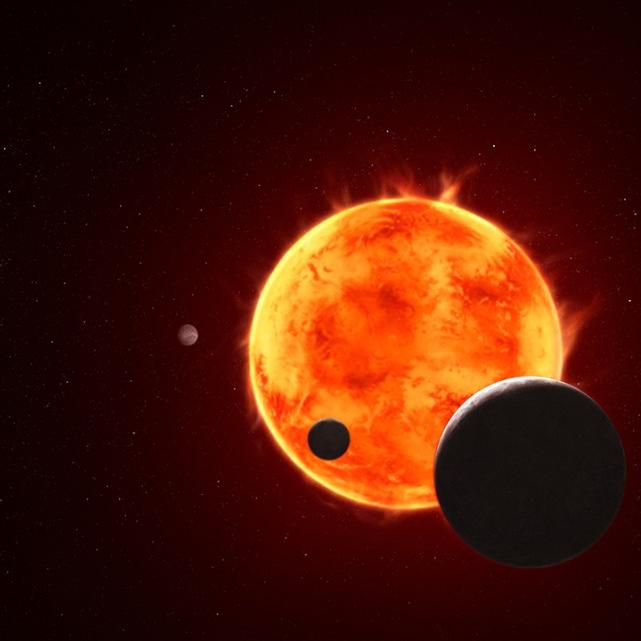
TRAPPIST-1 e may have an atmosphere that could support having liquid water on the planet’s surface in the form of a global ocean or icy surface, according to new research.
Shami Chatterjee, Astronomy
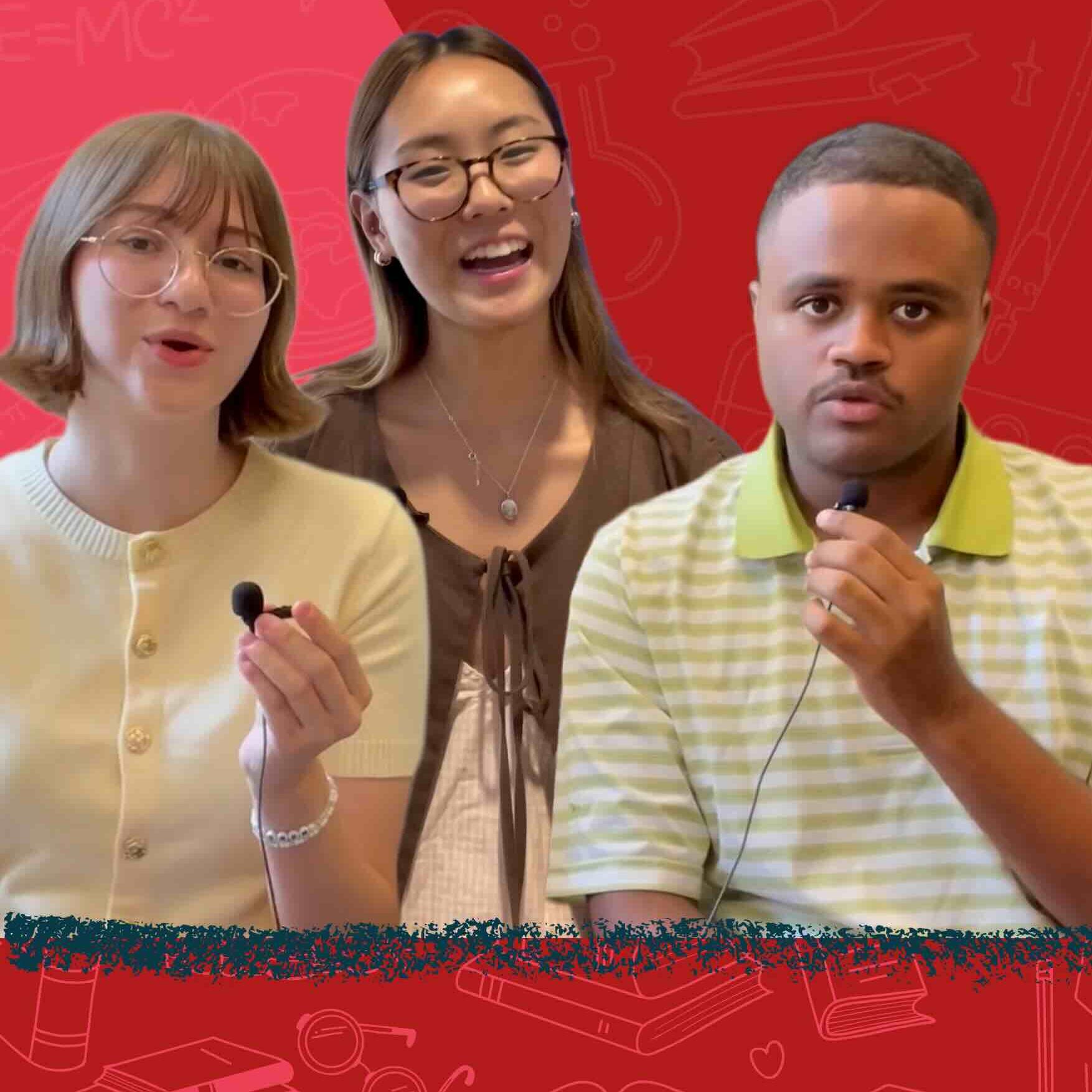
Ten students who participated in this summer's Nexus Scholars Program share their stories..
The award recognizes and honors outstanding communication by an active planetary scientist to the public.
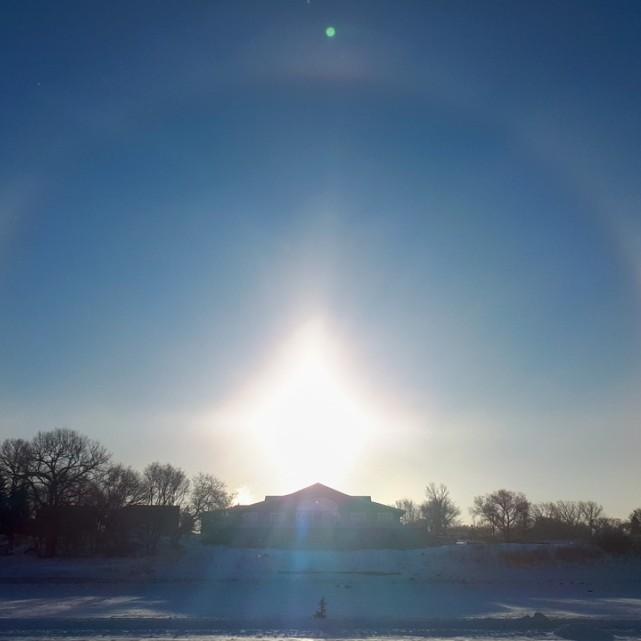
Phenomena common to Earth’s atmosphere can appear in the skies over some exoplanets of the “hot Jupiter” variety.
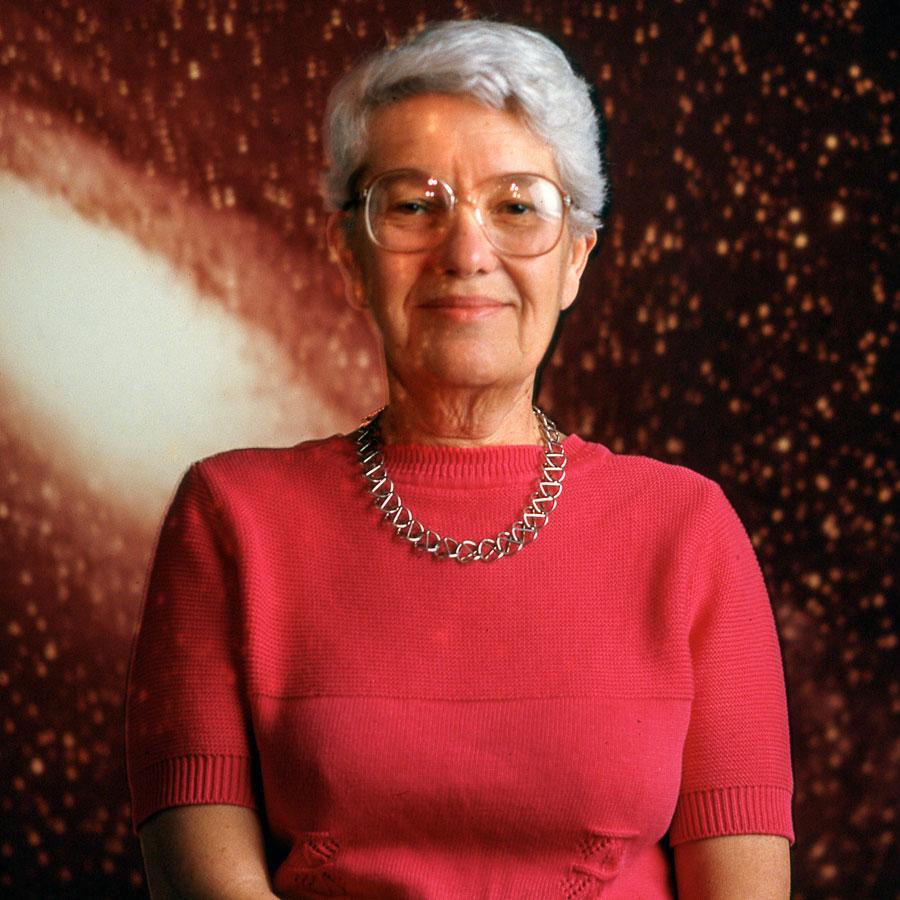
The facility, which honors astronomer Vera Cooper Rubin, MS ’51, has released its first images—and they’re mind-blowing
.jpg)
The professorships are made possible because of gifts from alumni, parents and friends.
From designing a reversible male contraceptive to detecting life on distant ocean worlds, the latest Cornell Engineering SPROUT Awards are cultivating breakthroughs across medicine, space exploration, robotics and environmental sensing.
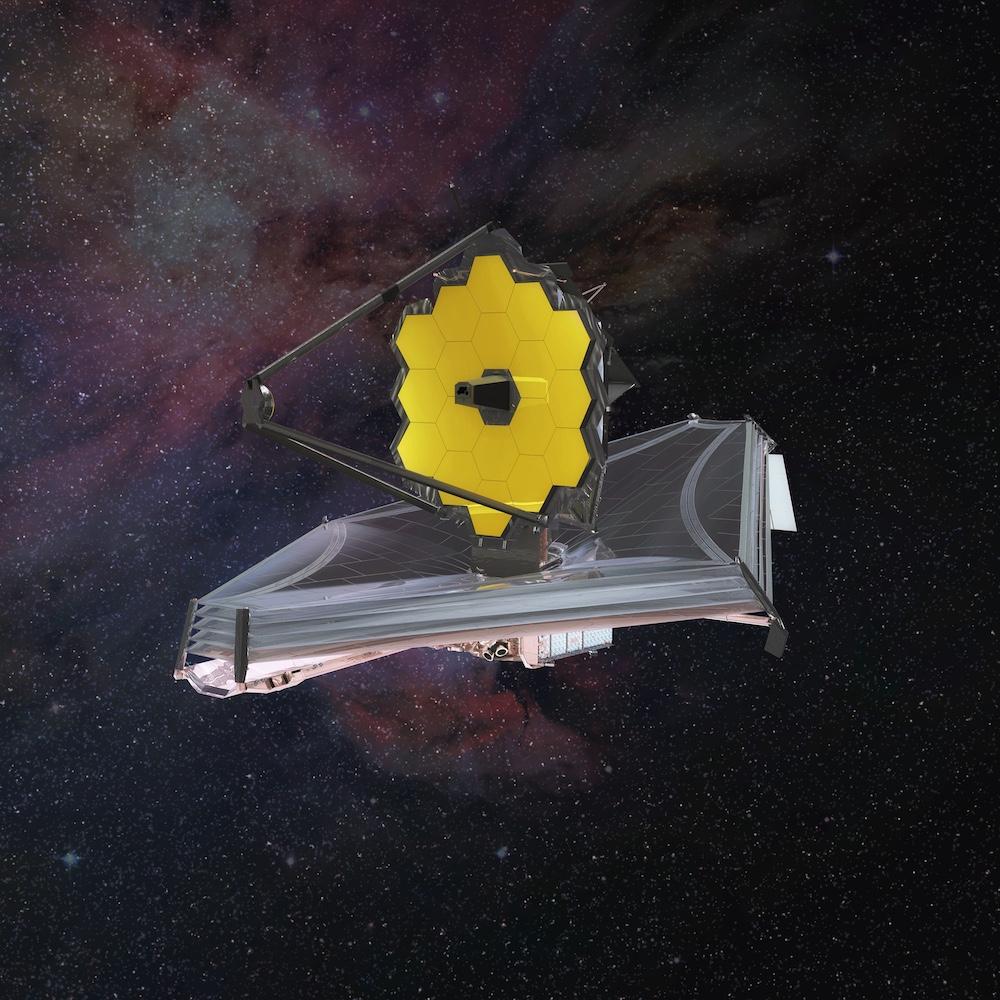
“It’s the cutting edge of what we can achieve, with better precisions and resolutions than other instruments.”
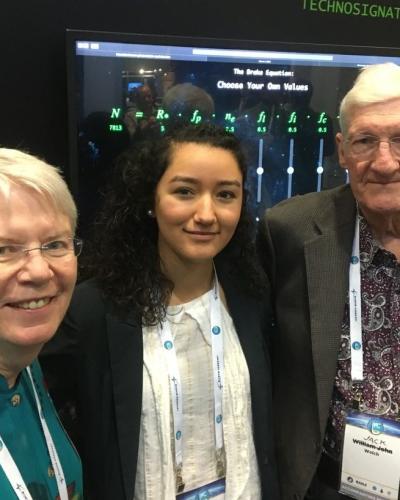
Dr. Karen I. Perez is the inaugural recipient of the William J. Welch Postdoctoral Fellowship at the SETI Institute.
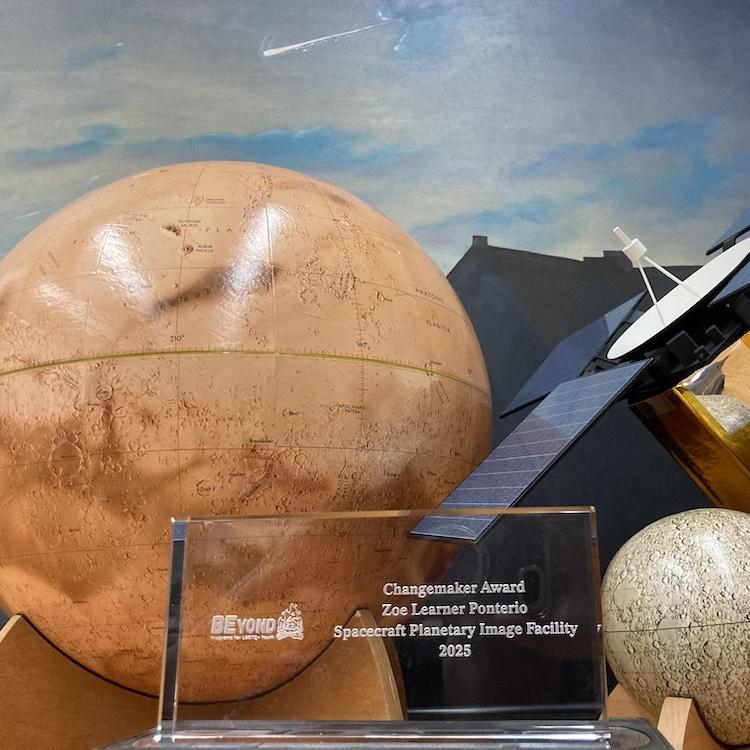
The Girl Scouts of NYPENN Pathways say Ponterio’s support “has been invaluable."
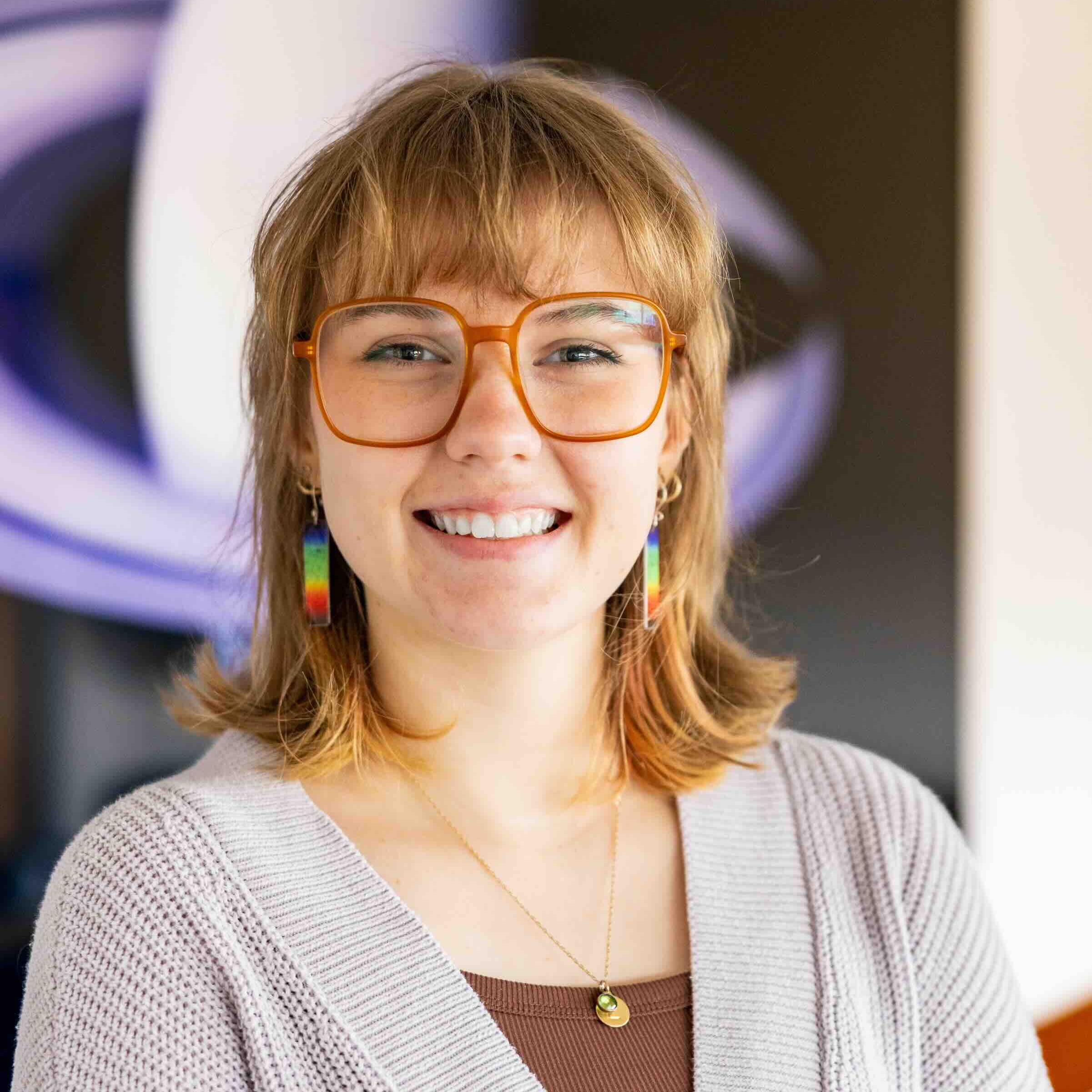
Laine Havens is majoring in astronomy and science & technology studies
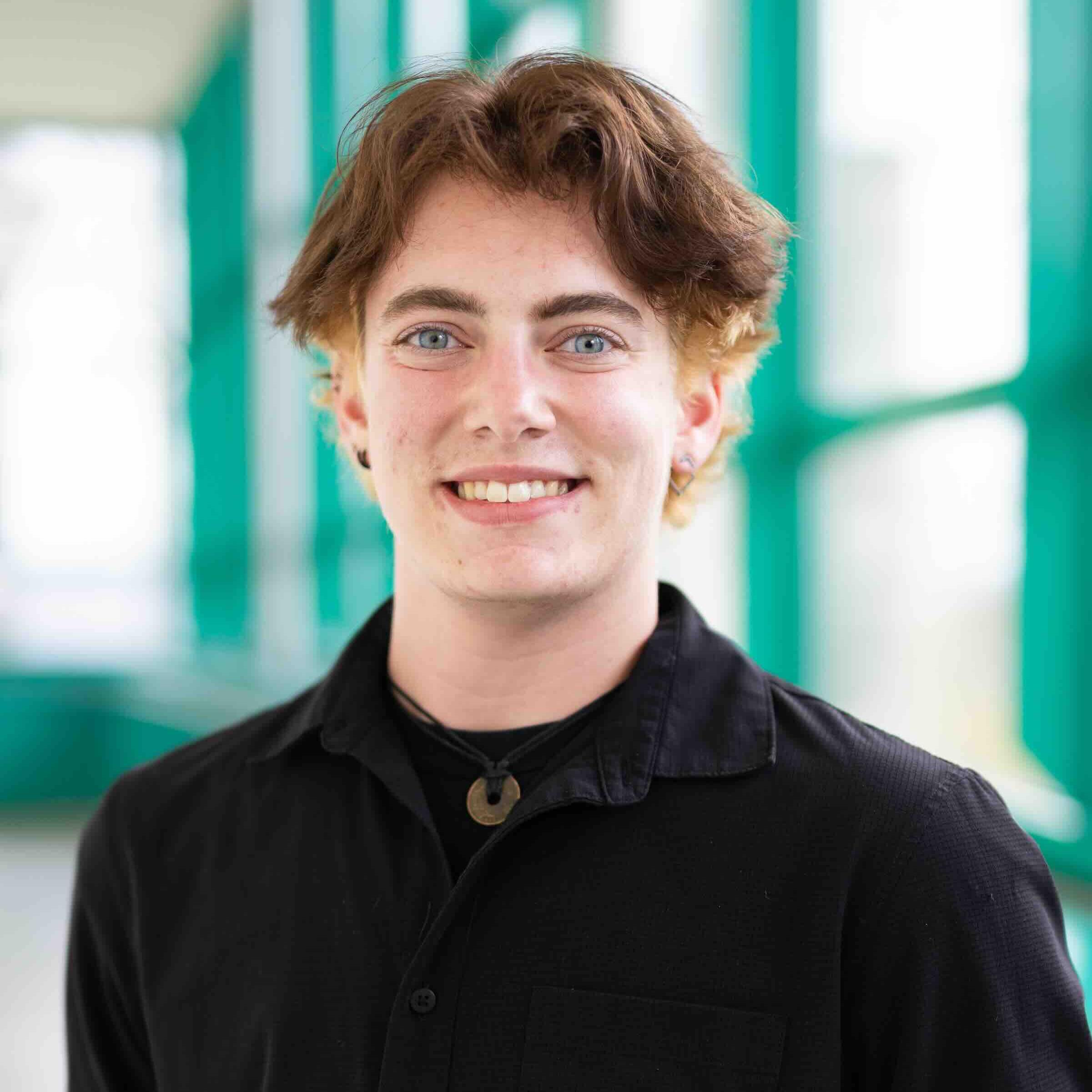
Neal Jerome is an astronomy major.

The first major component of the Fred Young Submillimeter Telescope (FYST) has arrived at its final home: the Cerro Chajnantor mountaintop.
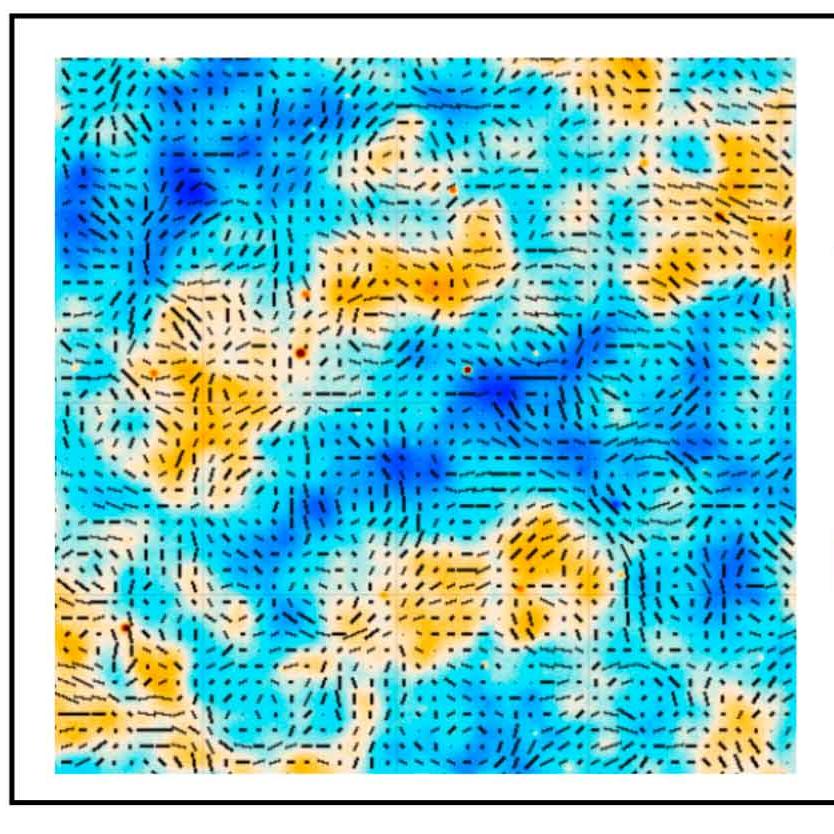
The new results confirm a simple model of the universe and have ruled out a majority of competing alternatives, says the research team.
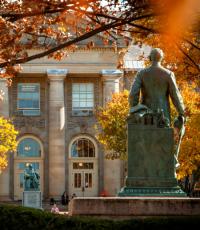
Cornell astronomers have secured over 350 hours of JWST Cycle 4 observing time, contributing to groundbreaking research on exoplanets, planetary systems, and distant galaxies. Graduate student Elijah Mullens and postdoctoral researchers Ryan Challener and Lili Alderson earned key investigator roles, highlighting Cornell’s impact on cutting-edge space science.
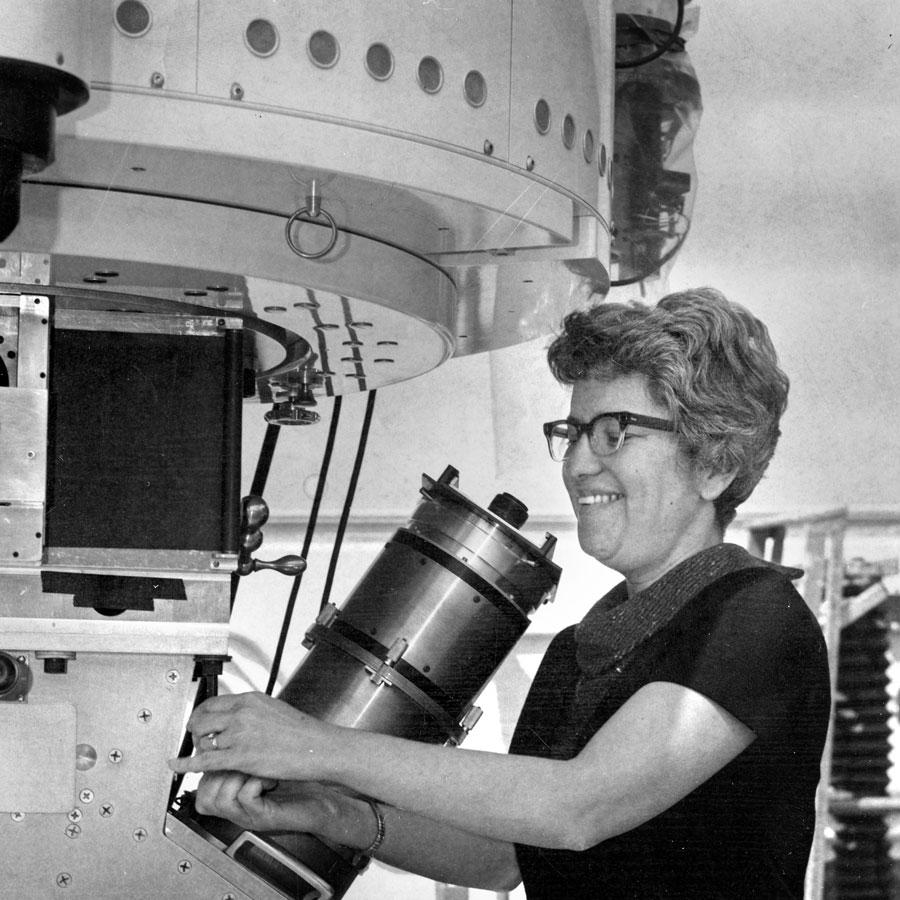
Immortalized in a series honoring notable women, Vera Cooper Rubin, MS ’51, is the first Cornellian ever featured on a coin.
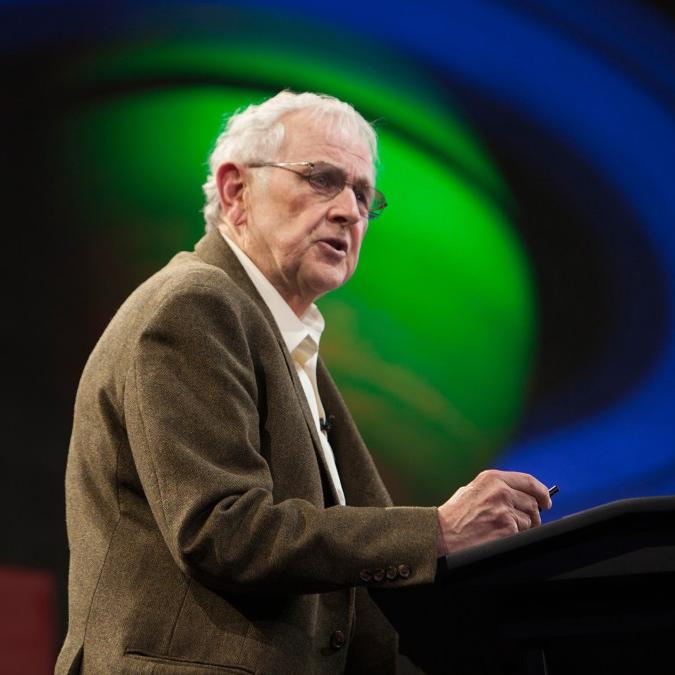
Joseph A. Burns, Ph.D. ’66, emeritus professor of engineering and astronomy, and a former vice provost and dean of the Cornell faculty, died Feb. 26 in Ithaca.
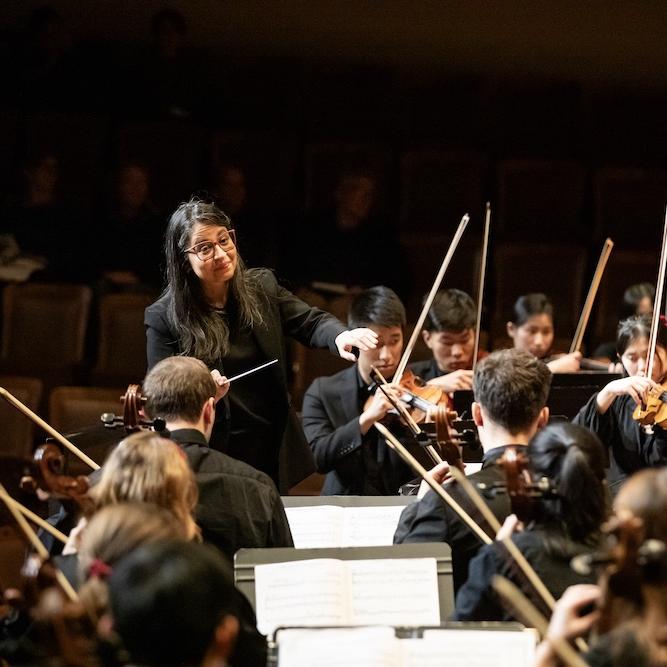
In a musical journey through the cosmos, the Cornell Symphony Orchestra will perform the world premiere of “Ex Terra, Ad Astra,” a new work commissioned especially for this year’s Young Person’s Concert.
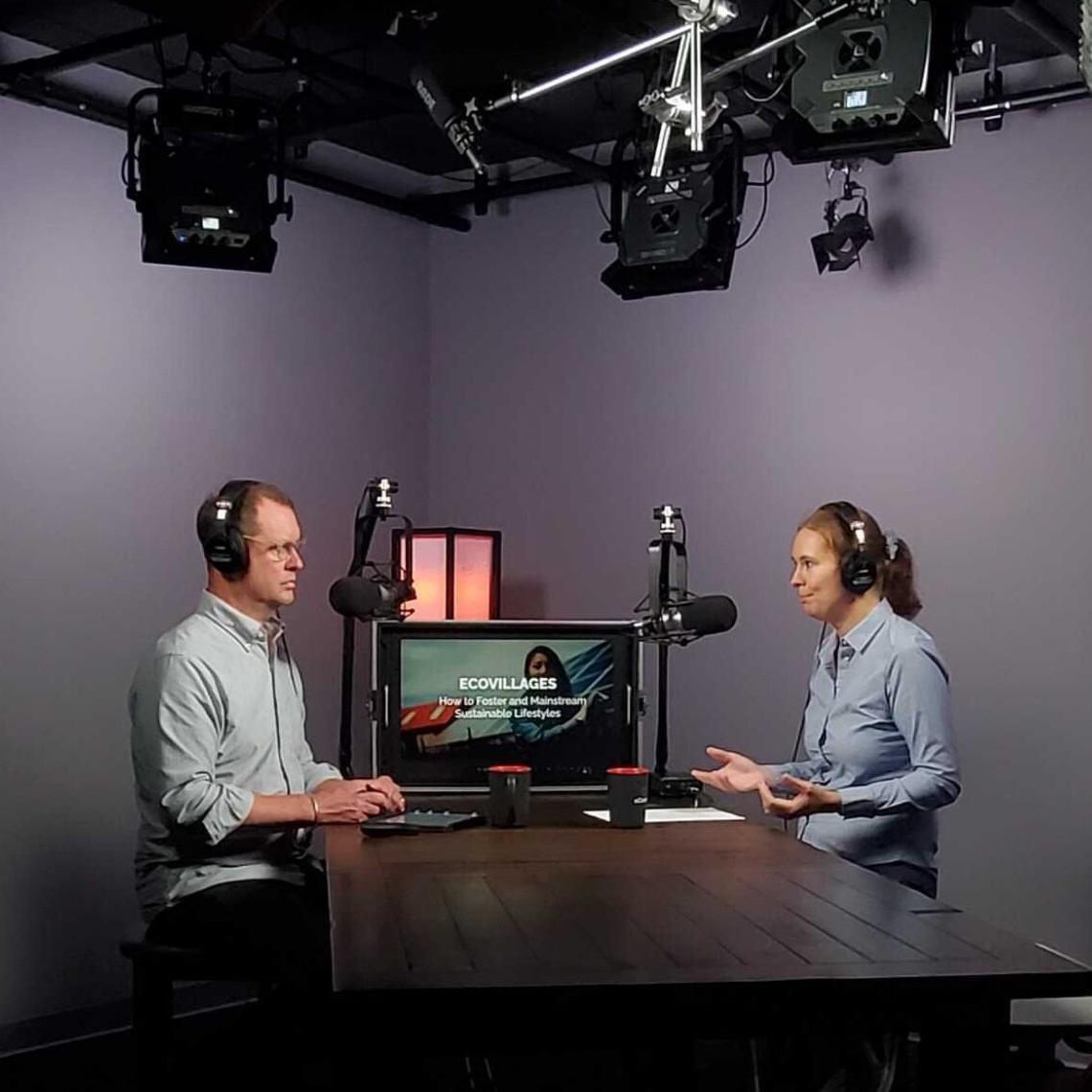
The University’s online learning platform, eCornell, offers a dizzying variety of content; here’s a sampling, from AI to wines to real estate.
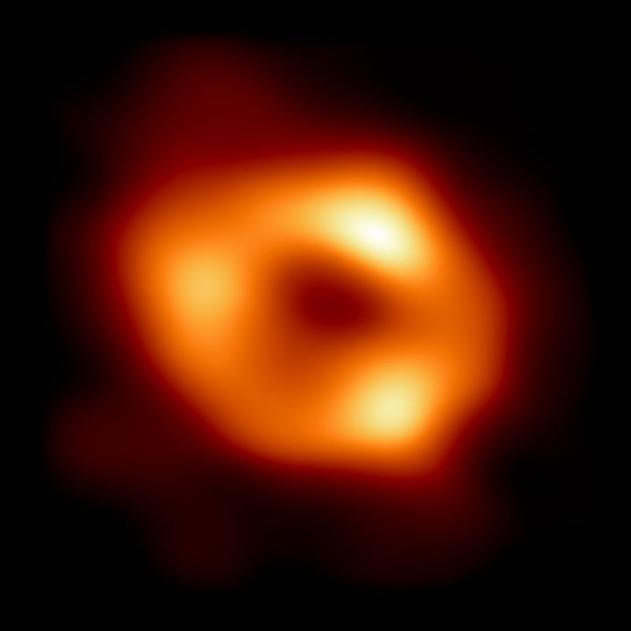
Ho’s project will look at supermassive black holes residing in the centers of distant galaxies.
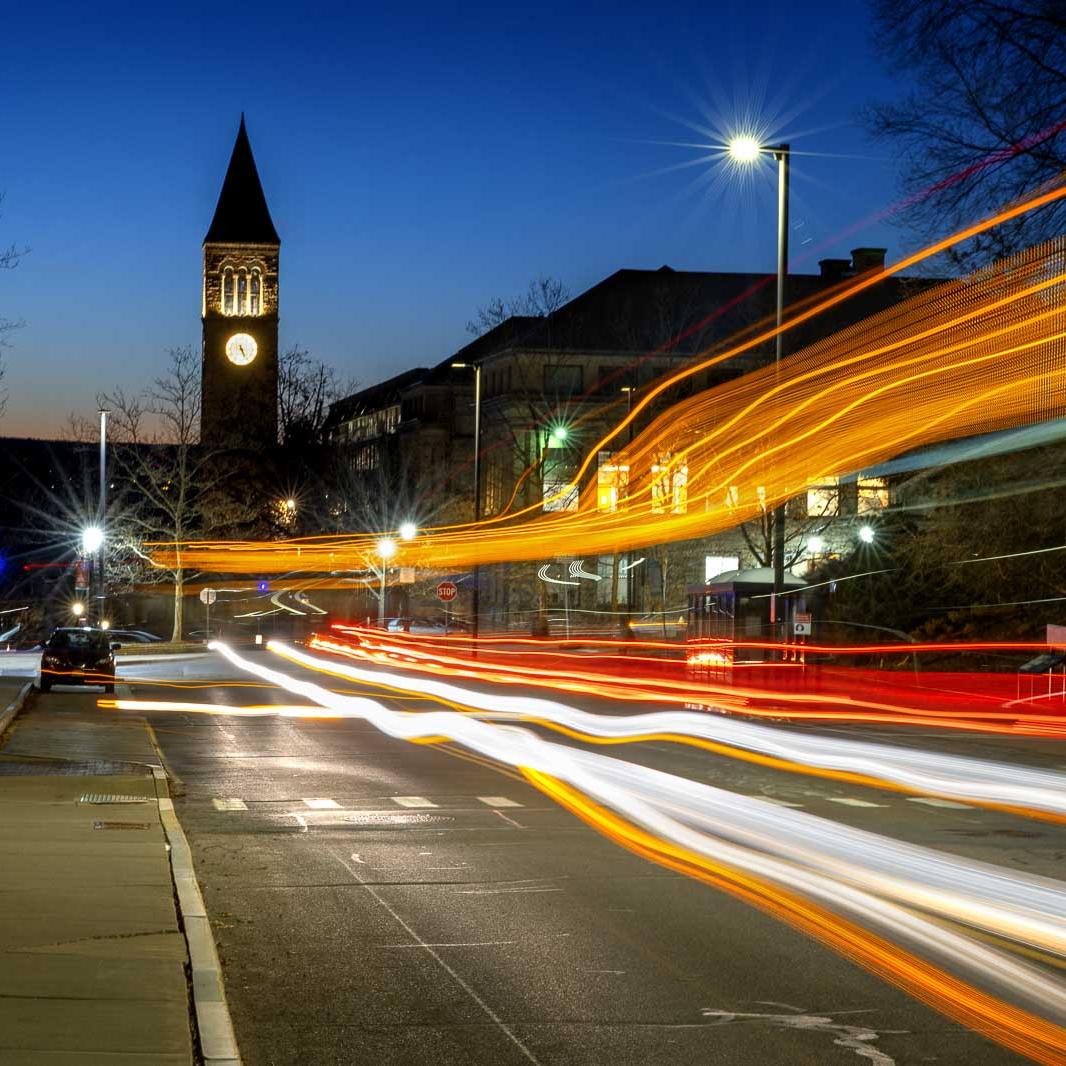
Fellows will pursue research in the sciences, social sciences and humanities.
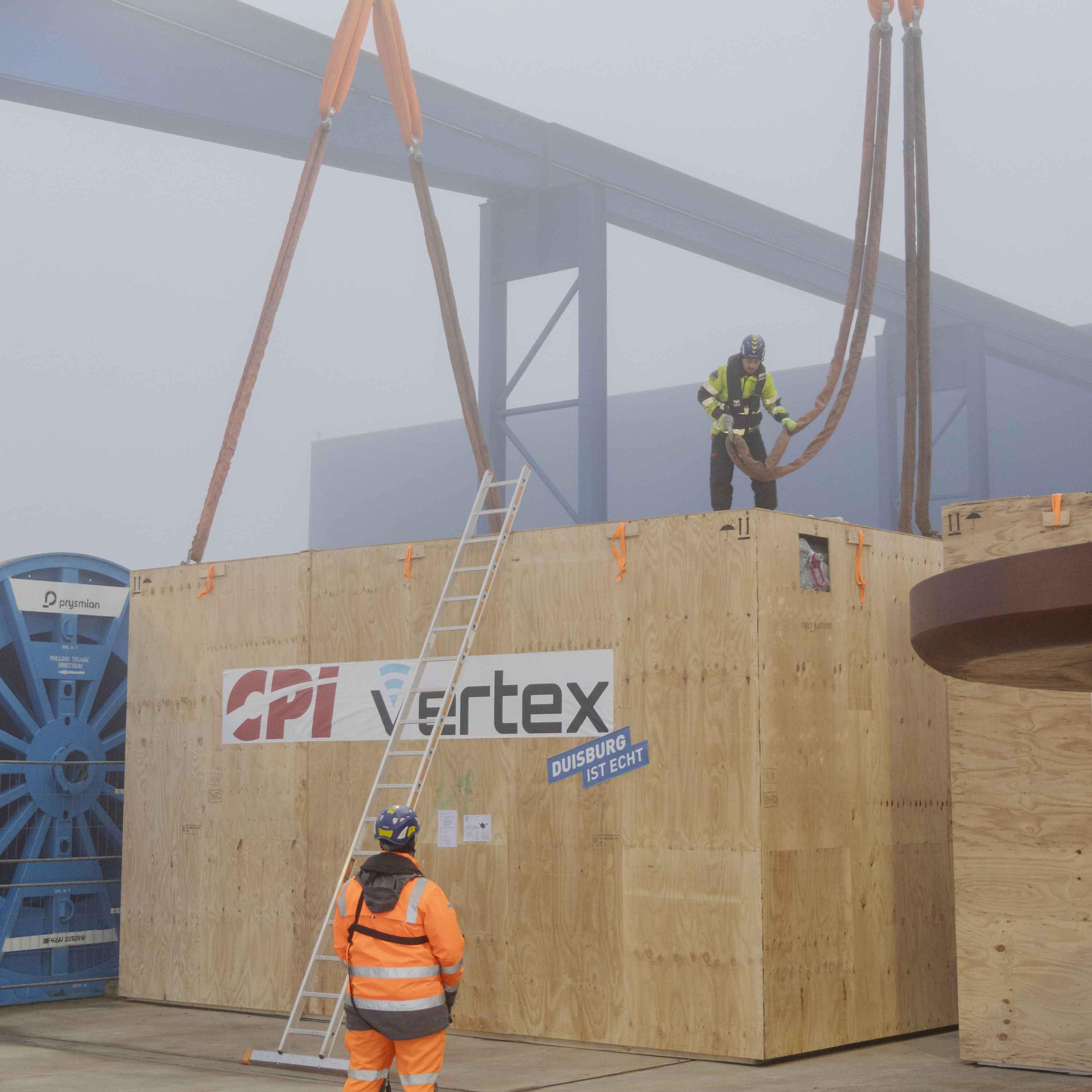
”This is a huge milestone for the project and we wish FYST bon voyage,” said Gordon Stacey, the project’s director and the David C. Duncan Professor in the Physical Sciences.
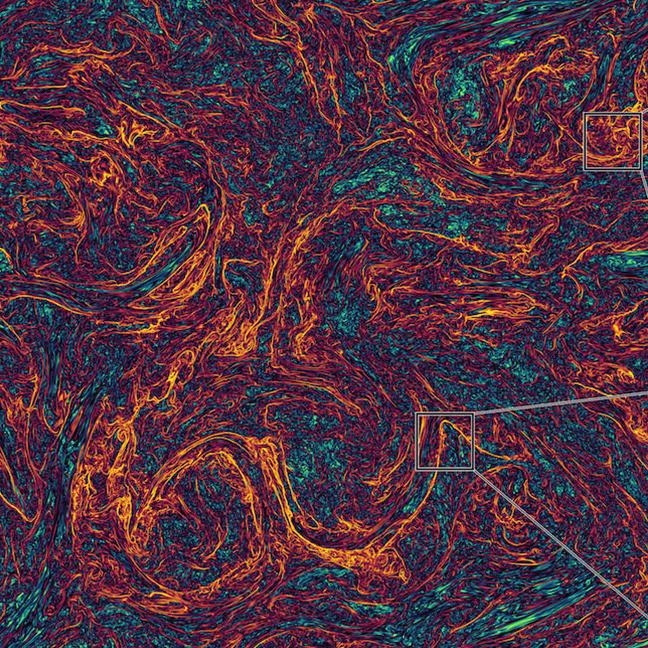
“We are going to run the largest simulations of the magnetized gas that pervades the space between stars, with the aim of understanding a crucial missing piece in our models for how stars and galaxies form."
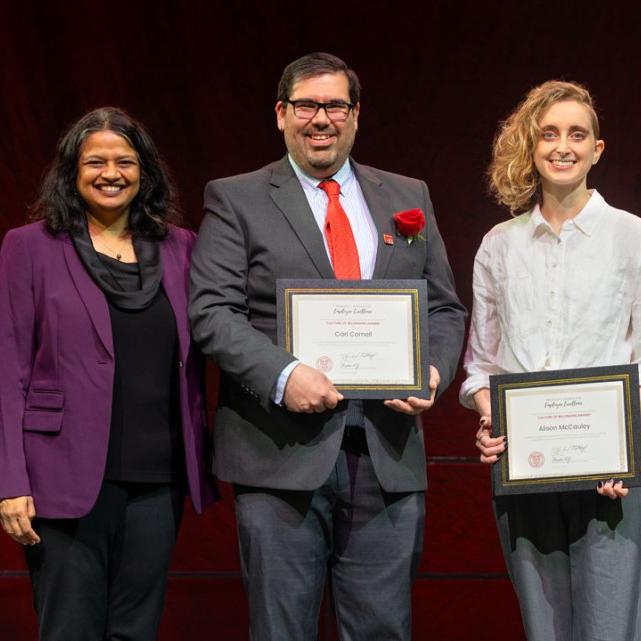
A&S staff member Lynda Sovocool, interim associate director/department manager for Cornell Center for Astrophysics and Planetary Science, received the Mission-Possible Award, for supporting the university’s core mission to learning, discovery and engagement.